
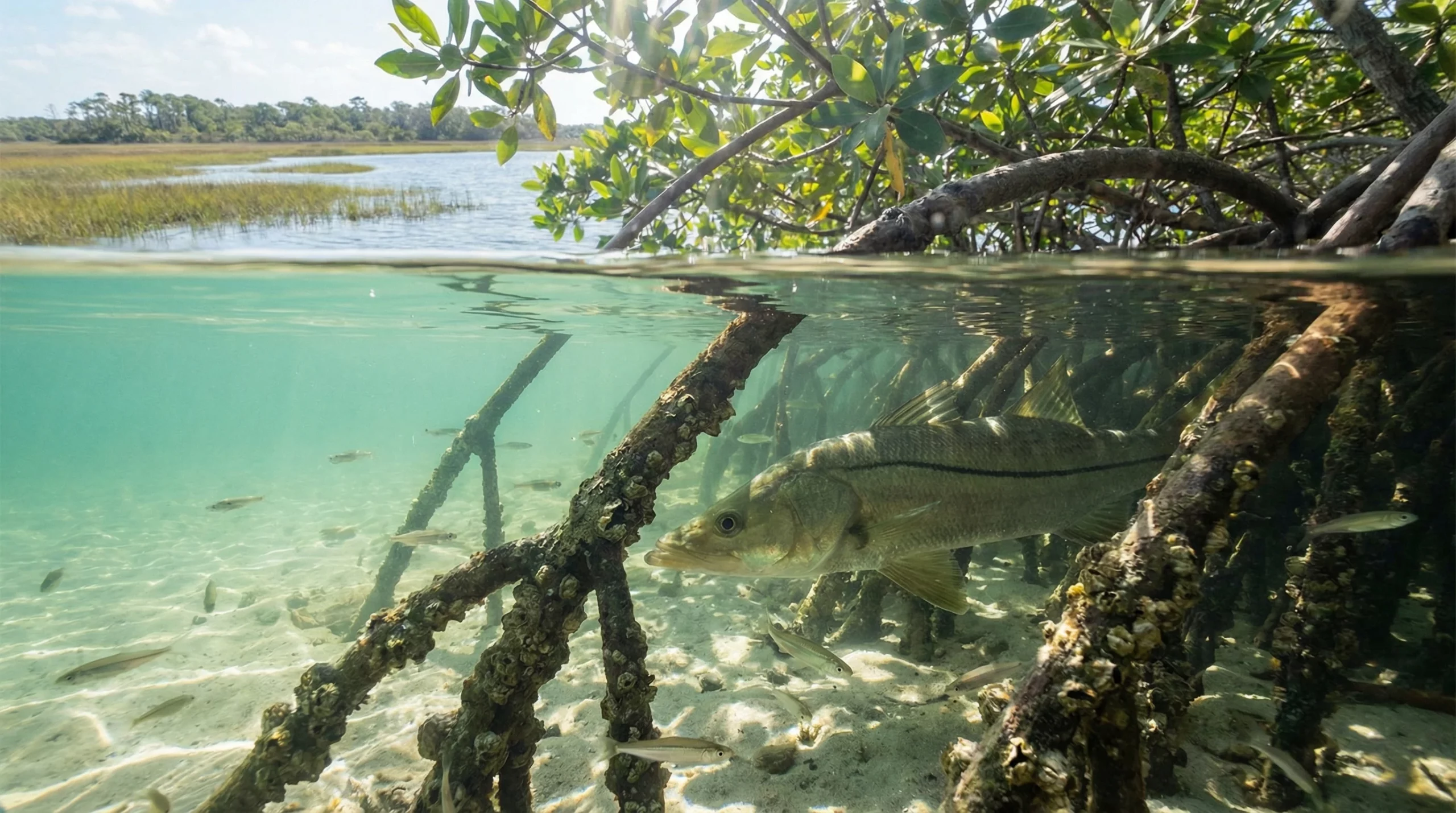
Snook are my favorite inshore fish to target, partly because of how tough they fight. With their speed, head shakes, and acrobatic jumps, hooking a Snook turns a routine fishing trip into a serious test of skill. Beyond just the fight, these fish are known for being smart, selective, and really attuned to their environment, especially when it comes to tides and feeding times. In this article, I’m breaking down how tides influence Snook feeding activity and how you can use this knowledge to boost your own fishing success.
Getting To Know Snook: Why They Put Up Such A Fight
Snook are easily some of the most exciting gamefish you’ll find along tropical and subtropical coasts, especially in Florida. They pack a punch when hooked, launching into explosive runs and fast direction changes. Their muscular build lets them power out from structure with ease. Landing them is a real achievement.
Snook aren’t just brutes, though. They’re highly aware of their surroundings and quick to make the most of whatever conditions are present. That’s a big reason why experienced anglers get a little obsessed with reading the water, scouting the tides, and nailing their approach.
Snook also have a unique feeding pattern that keeps anglers on their toes. Their behavior can change throughout the year, affected by water temperature, spawning cycles, and even moon phases. This adaptability is part of what makes them such a fun and rewarding challenge for those willing to put in the time to track down patterns.
Ambush Predators: How Snook Hunt Their Prey
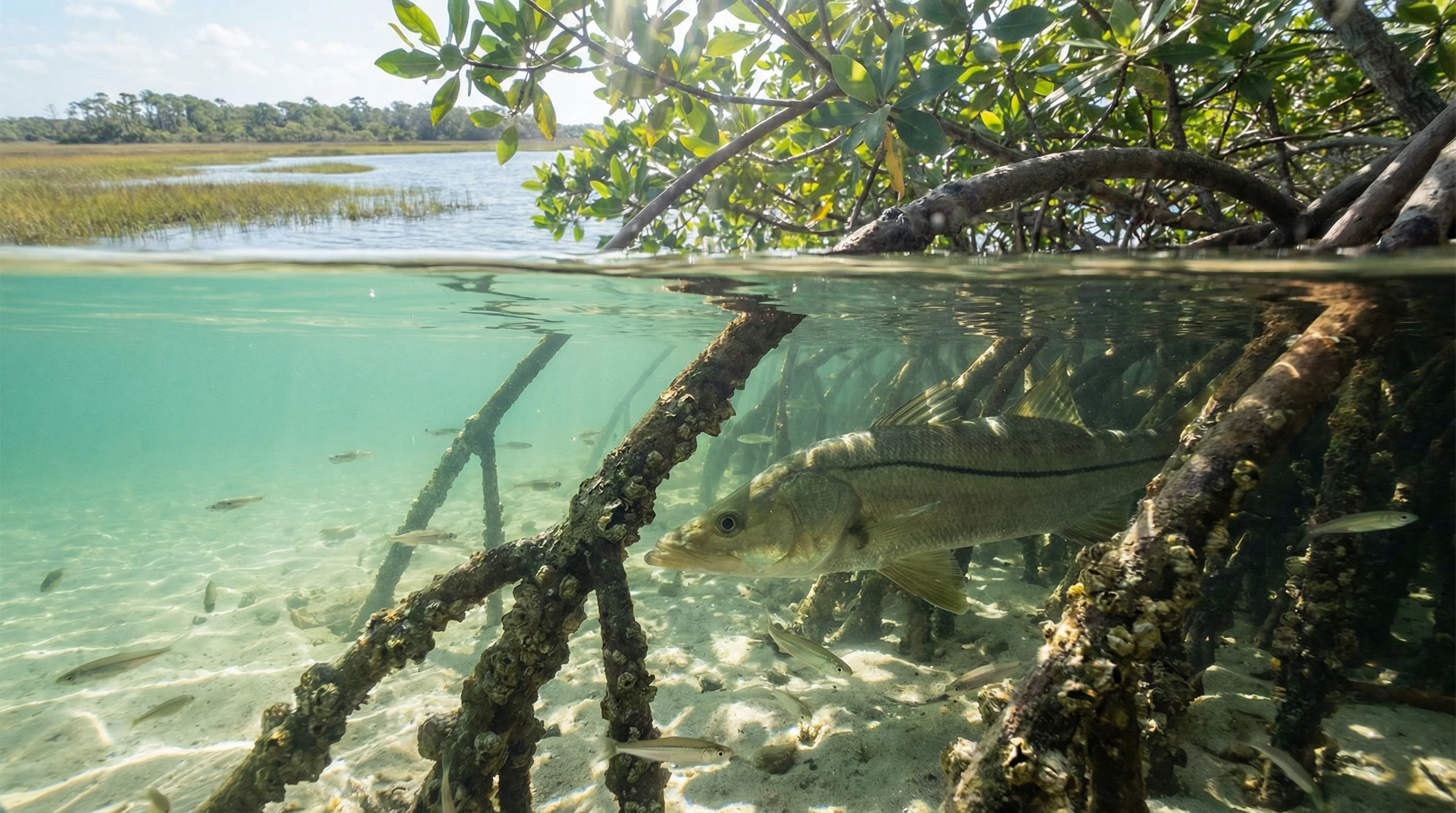
Snook act as classic ambush predators. That means they don’t chase prey over wide distances. Instead, they lie in wait, often tucked tight to mangrove roots, docks, or submerged structure, and spring out when a meal passes by. This hunting style relies on cover, timing, and an ability to sense when prey is vulnerable.
Because Snook prefer to ambush rather than pursue, they pay close attention to details like water depth, current, and visibility. They’re most active when conditions help them stay hidden while bringing baitfish within striking distance. That’s why tidal movement matters so much.
Understanding Tides: The Basics
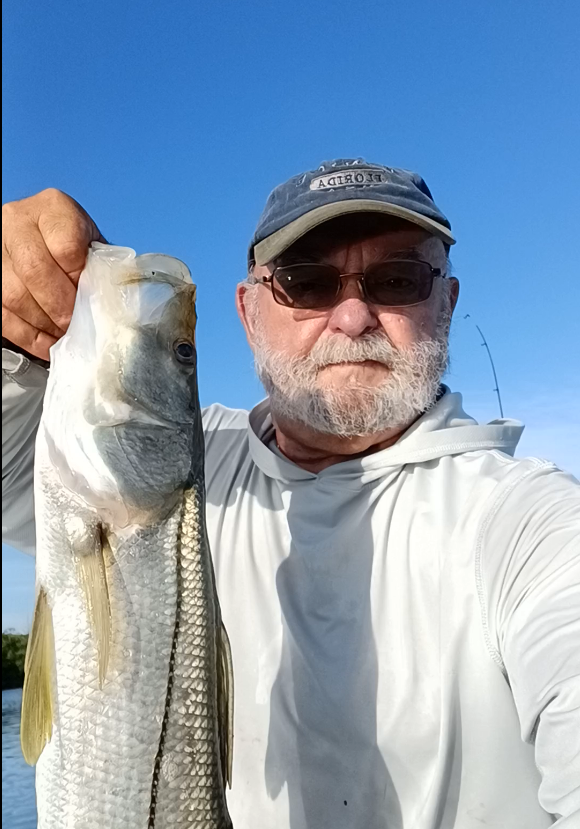
Here is a nice Snook I caught on the Outgoing Tide near Stump Pass
Tides are simply the rise and fall of water levels caused mainly by the gravitational pull of the moon and sun. Along the coasts where Snook are found, these tidal shifts can be dramatic. Here’s how a typical tidal cycle goes:
- Incoming Tide (Flood tide): Water rises and moves in from the open sea toward the shore.
- High Tide: Water reaches its peak.
- Outgoing Tide (Ebb tide): Water flows back out from the shore.
- Low Tide: Water is at its lowest point.
The timing and height of the tides will change with the lunar cycle, being highest during new and full moons. Spring tides produce stronger currents and more pronounced water level changes, which can make fishing more dynamic around those periods. Neap tides, on the other hand, bring weaker currents and less change in water level, often making fish more cautious and requiring anglers to step up their tactics.
How Tides and Current Impact Snook Feeding Activity
Instead of wandering all over the flat looking for food, Snook let the tide bring dinner to them. Here’s how different stages of the tide play out in terms of Snook feeding:
Incoming Tide
When the tide starts to rise, it floods shoreline structures, mangroves, oyster bars, and grassy flats. That’s when baitfish and small crustaceans move in, often looking for food or shelter. Snook follow this action, waiting near ambush points where the tide channels prey past their hiding spots. They tend to move from the deep holes they occupy during low tide to the shallows where the rising tides allow the bait to reach skinny water and shallow grass flats.
This is a prime feeding time, especially in areas where creeks, cuts, or passes funnel water and bait tight to cover.
During the incoming tide, Snook may be more aggressive, since food is naturally moving toward them and they can use the rising water for cover. This window can also be shorter on some days, making it key for anglers to be ready just before the first push of water begins. One simple rule for fishing tides for Snook is to utilize the stronger currents that occur during the middle 2 hours of either incoming or outgoing tides.
High Tide
At peak high tide, there’s lots of water for both Snook and their prey to spread out. This can make Snook a bit tougher to pin down, but it also allows them to push further into mangroves or flooded shorelines. Look for pockets or small coves where bait gets pinned against cover. You may see disturbances where frenzied bait is trying to escape capture, or notice birds feeding and flying overhead, to help you locate the action.
Targeting Snook during high tide sometimes means fishing deeper into the mangroves or even casting under overhanging limbs. This is the time to be stealthy and precise with your casts, as the fish may be holding tight in hard-to-reach places. Practice skip casting off the water to get your lure or bait to slide as deeply under the mangroves or dock as possible. That will make a big difference on clear sunny days.
Outgoing Tide
The outgoing tide pulls water and prey out of the mangroves, grass, and shallow flats back toward open water. Snook often set up at choke points and pinch spots like creek mouths, bridge pilings, or drop-offs, snapping at anything drifting by in the current. Try to move your bait with the current, bouncing off the bottom, as that will mimic the movement of bait or shrimp being flushed for the shallows.
This can create a clear feeding window when bait is forced into the open and has fewer places to hide. Outgoing tides can bunch up bait, making Snook more concentrated and easier to target. This phase is especially good for working lures or live baits along current edges and through areas where small fish spill out into deeper water.
Low Tide
On a dead low tide, Snook may retreat to nearby deeper holes or channels, waiting for water to move again. Feeding activity slows down a bit now, but if you know where deeper structure sits close to shallow flats, you might still find fish hanging out.
During extended low tide periods, especially in winter or during midday heat, Snook often become lethargic and stack up in deeper pools, where the water is warmer in the winter and cooler in the summer. While bites might be less frequent, this is when precision presentation and persistence can sometimes pay off. Keep your bait or lure low and slow.
How Current Plays Into Snook Feeding
Tidal current, not just water height, plays a really big role in how Snook feed. Fast-moving water gives Snook an edge: it brings food directly to them, helps camouflage their approach, and lets them save energy. Snook will line up facing into the current, staying just out of the main flow, darting out to grab a passing meal.
Current also stirs up the bottom, making small crabs and shrimp more active and susceptible to predation. Anglers who match their lure or bait presentation to the speed and direction of current often get more strikes.
Understanding the subtle differences in current direction and speed around structures can mean the difference between a slow day and constant action. Many successful anglers will check multiple spots at different parts of the tide, learning where water is moving most naturally for Snook to ambush prey.
Tide Timing: Linking Feeding To The Best Fishing Windows
Most experienced Snook anglers track the tide charts closely because feeding action really ramps up when water is moving steadily. Here are some tips I’ve picked up for timing your sessions:
- Fish the last couple hours of the rising tide or the first couple hours of the falling tide for the best shot at active, aggressive Snook.
- Lines and hotspots where water is funneled usually hold fish longer during a moving tide.
- Right around slack tide (when tide switches directions and water is momentarily still), activity often drops off, so plan to focus on moving water instead.
To add to this, it’s useful to keep a log of when and where you find feeding Snook. Over time, you’ll spot patterns in feeding that combine not just with tidal stage, but also seasonal transitions, water clarity, temperature, and bait availability. The more you track down these factors, the more consistent your catches will be.
Tips for Targeting Snook in Changing Tides
Snook fishing isn’t just about showing up with a rod and hoping. It’s about putting yourself in the right place at the right time, using the right approach. Here are a few things I’ve learned about key factors that matter in tidal Snook fishing:
- Spot Selection: Look for ambush cover such as mangrove edges, docks, rocky jetties, bridges, and submerged trees, especially at current breaks and pinch points that funnel water.
- Lure Choice: Soft plastics, bucktail jigs, and topwater lures all work, but adjust size and action to match the current speed. Natural baits like live pilchards or shrimp are excellent if available.
- Presentation: Cast up-current and work your lure back down with the natural flow. Snook usually face into the current, so your retrieve should mimic real prey moving toward them.
- Stealth: Use quiet approaches, especially on clear, shallow water and low wind days. Snook can be wary, especially as pressure increases or tide slows down.
- Timing: Fish dawn or dusk for bonus action. These times line up with a strong tide. Night fishing near lighted docks during moving water is also super productive.
It also helps to vary your retrieve and experiment with different speeds or rhythms until you find what triggers a strike. Pay attention to even the smallest details, like water temperature changes, minor color breaks, or slight bumps in bottom contour, since Snook often relate to these features during moving water.
Things To Keep In Mind When Fishing for Snook on the Tides
- Safety: Tidal currents near bridges, inlets, or passes can be powerful. Always keep safety gear handy, watch your footing near slippery rocks, and check weather or water conditions before you go.
- Local Knowledge: Talking with tackle shops or nearby anglers helps a lot. Patterns switch up with the seasons and water temps, so up-to-date info goes a long way.
- Bait Movement: Pay attention to birds, nervous water, or flashes of bait to help you spot where feeding activity is concentrated.
The Role of Weather and Water Clarity
Tides are just one piece of the puzzle. Cloud cover, wind, and rain can change how and where Snook attack prey. On bright days with clear water, Snook might stick tighter to cover and act more cautious. Overcast or breezy days can bring them out into the open a bit more as visibility drops for baitfish.
Also, heavy rain or runoff after storms can mix things up, sometimes moving fresh or muddy water into the system. This can push bait and Snook into different areas, or make them hug the edges of cleaner water lines.
Paying attention to barometric pressure can offer clues about bite windows. Falling pressure, often before a storm, can fire up fisheries, while rising pressure can make Snook more lethargic.
Frequently Asked Questions
Question: Are Snook hard to catch on slack tide?
Answer: It can be a lot more challenging. Snook usually get sluggish during slack water, since bait isn’t moving naturally. You might find them stacked in deep holes, but bites are less frequent until current picks up again. Again, fish low and slow.
Question: Is there a best tide for beginners to target Snook?
Answer: An incoming tide is a great place to start. The rising tide brings fish closer to shore and into predictable patterns around structure. Outgoing tide also produces, but current can move fast in some inlets, so start where conditions feel more manageable.
Question: What’s the best bait for Snook in moving water?
Answer: Live shrimp, small pinfish, pilchards, or threadfin herring are excellent. For artificial lures, try paddle tail jigs or swimbaits that move naturally in the current, as well as top-waters around dawn or dusk.
Final Thoughts
Understanding how tides shape Snook feeding patterns gives you a real leg up and makes every trip more rewarding. By timing your fishing effort to when water is moving, focusing on ambush spots, and paying attention to the details, you’ll boost your odds of hooking up with one of the best inshore fighters out there.
Bring some patience, keep an open mind, and enjoy figuring out these incredible fish on the water. Whether you’re a seasoned angler or new to the game, the puzzle of Snook and the tides is always worth exploring. Every trip adds another piece to the puzzle, and there’s always something new to learn each time you set out.
I hope you enjoyed this article and catch more fish because of it.
Tight lines!
John